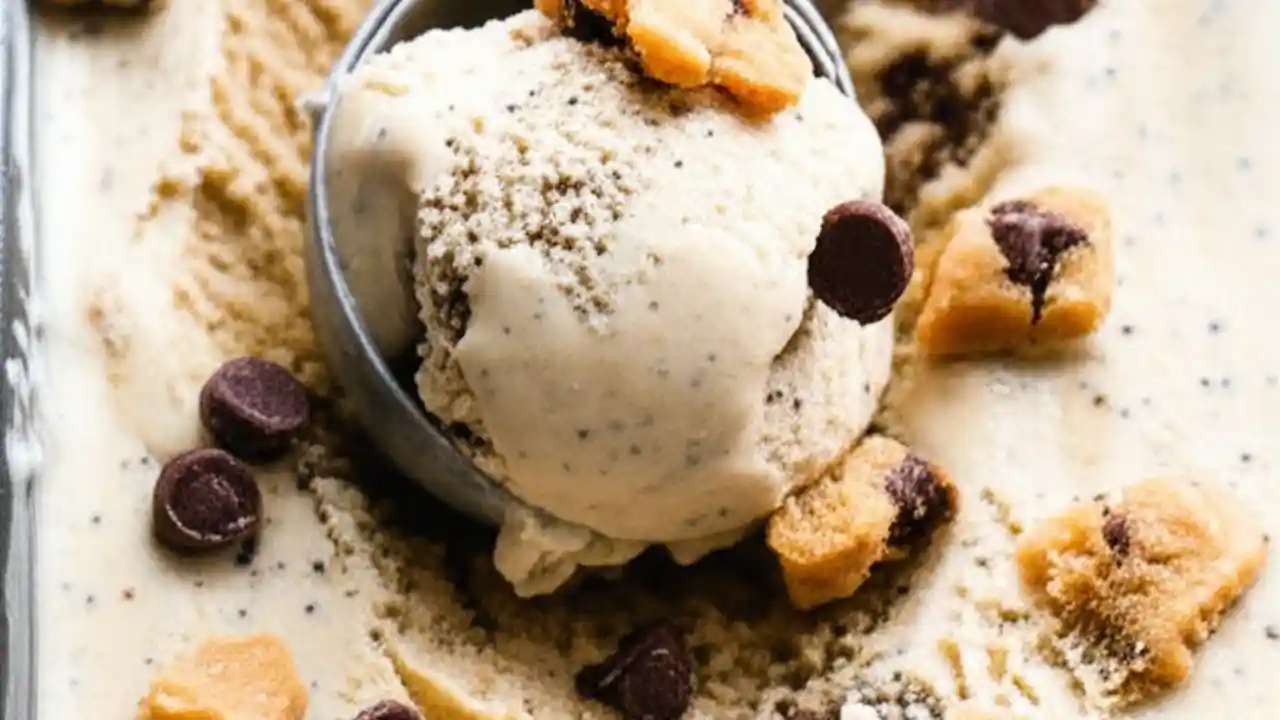
The Secret to Perfect Cookie Dough Ice Cream: Rich Base & Soft Dough
Few desserts evoke such universal delight as cookie dough ice cream. That nostalgic blend of creamy vanilla and irresistible, chewy cookie dough chunks is a comfort food staple. Yet, for many, the store-bought versions often fall short. Perhaps the cookie dough is too sparse, or worse, rock-hard and challenging to eat. If you've ever dreamt of scooping into a bowl where every bite delivers a generous, perfectly soft piece of cookie dough nestled in a luxuriously rich base, then you've stumbled upon the secret: making it yourself.
Our journey to uncover the ultimate homemade cookie dough ice cream began, much like many passion projects, out of a simple desire to replicate a beloved experience. After a memorable taste at a local ice cream shop, the quest was on to master this beloved flavor at home. What we discovered through numerous trials and delicious experiments is that true perfection hinges on two critical elements: an exceptionally rich, velvety ice cream base and cookie dough chunks that remain wonderfully soft and chewy even when frozen solid. Forget the days of chiseling through your dessert or risking a broken spoon; this guide will unlock the secrets to an ice cream experience that's superior in every way.
Crafting the Dream Team: A Decadent Base & Irresistible Dough
The magic of truly exceptional cookie dough ice cream isn't a single ingredient, but rather the harmonious marriage of two perfectly executed components. Each plays a vital role in delivering that unparalleled taste and texture.
The Foundation: A Rich, Creamy Custard Base
A superb ice cream always starts with an incredible base, and for cookie dough, a custard base is the gold standard. While many "no-churn" recipes exist, a properly made custard base elevates the experience from good to absolutely sublime.
- Unrivaled Richness and Smoothness: The inclusion of egg yolks, gently cooked into a custard, provides an inherent richness and an incredibly smooth texture that simply cannot be replicated by simpler bases. This richness isn't just about flavor; it's about the mouthfeel – a luxurious, lingering creaminess that melts beautifully on the tongue.
- Fighting Ice Crystals: Egg yolks act as natural emulsifiers and stabilizers. They help prevent the formation of large ice crystals during the freezing process, which is the primary culprit behind grainy or icy homemade ice cream. The result is a consistently silky product.
- Depth of Flavor: Beyond the texture, a custard base allows for a deeper flavor profile. Infusing real vanilla bean or a high-quality vanilla extract into the warm custard imparts an authentic, aromatic vanilla essence that complements the cookie dough perfectly. A touch of brown sugar in the base itself can also echo the caramelized notes of the cookie dough, creating a more cohesive flavor experience.
- No Unwanted Fillers: Unlike many commercial brands that rely on corn syrup, cellulose gum, and other fillers to achieve texture, a homemade custard base uses only wholesome, natural ingredients, ensuring a clean, pure taste.
The process involves gently warming milk and cream, tempering egg yolks with a portion of the warm liquid, then combining and cooking until the mixture thickens enough to coat the back of a spoon. This ensures the eggs are fully cooked for safety and optimal texture. A thorough chilling of the base before churning is crucial for optimal results.
The Star Attraction: Perfectly Soft & Safe Cookie Dough Chunks
This is where many homemade and even some commercial cookie dough ice creams falter. The disappointment of biting into a rock-hard, unyielding chunk of cookie dough is all too common. The secret to soft, chewy dough, even when frozen, lies in careful preparation and ingredient selection.
- No Raw Eggs: Traditional cookie dough recipes contain raw eggs, which are generally considered unsafe for consumption without cooking. For ice cream mix-ins, we omit eggs entirely from the dough recipe. This not only addresses safety concerns but also contributes to a softer texture when frozen, as eggs can firm up significantly at low temperatures.
- The Flour Factor: Heat Treatment is Key: Raw flour, like raw eggs, can sometimes contain harmful bacteria. To make your cookie dough chunks completely safe to eat without baking, the flour must be heat-treated. This is a simple step:
- Microwave Method: Spread your flour on a microwave-safe plate and microwave on high for 60-90 seconds, stirring every 30 seconds, until it reaches 160°F (71°C).
- Oven Method: Spread flour on a baking sheet and bake at 300°F (150°C) for 5-7 minutes, stirring halfway, until it reaches 160°F (71°C).
Allow the flour to cool completely before using it in your dough. This crucial step ensures safety without altering the classic "raw" taste.
- Ingredient Harmony for Softness: The dough itself relies on a balance of butter, brown sugar, granulated sugar, vanilla, and the heat-treated flour. Brown sugar, in particular, contributes moisture and chewiness, which helps maintain softness at freezer temperatures. Avoid over-mixing the dough; just combine until uniform.
- The Right Mix-ins: While chocolate chips are classic, consider using mini chocolate chips for better distribution and a smoother bite. You can also experiment with different types of chocolate (milk, dark, white) or even add a sprinkle of sea salt to enhance the flavor. Our ultimate goal is for you to experience a delightful chunk of cookie dough in every single bite. This is a common pitfall of store-bought versions; they often leave you digging for the "good stuff."
Once your dough is prepared, you can either roll it into a log and slice off chunks, or simply break off irregular, bite-sized pieces. Freezing these pieces on a baking sheet before adding them to the ice cream will prevent them from clumping together. For more detailed instructions on perfecting those mix-ins, you might find valuable insights in
Ditch Rock-Hard Chunks: The Best Homemade Cookie Dough Ice Cream.
The Unbeatable Benefits of Homemade Cookie Dough Ice Cream
Once you've tasted truly homemade cookie dough ice cream, there's simply no going back. The advantages extend far beyond just flavor.
- Complete Control: You dictate every aspect. Adjust the sweetness, increase or decrease the amount of cookie dough, choose your favorite chocolate, or even experiment with different flavorings in the base. This customization means your ice cream is *your* perfect version.
- Authentic Flavor and Texture: There's an undeniable difference between "cookie dough flavored" ice cream and ice cream with actual, authentic-tasting cookie dough. The real vanilla in the base paired with generous, chewy chunks that taste exactly like what you'd sneak from the mixing bowl creates an unparalleled experience.
- Cost-Effective Indulgence: Premium `cookie dough ice cream` from artisan brands can be quite expensive. Making it at home, even with high-quality ingredients, is significantly more economical, allowing you to enjoy this luxury more often.
- Wholesome Ingredients: Say goodbye to artificial flavors, colors, and obscure additives. Homemade allows you to use only the ingredients you trust, making it a healthier treat for your family. This purity of ingredients often contributes to a cleaner, more vibrant flavor profile.
- Surprisingly Practical: While it might seem like a project, both the ice cream base and the cookie dough can be prepared days in advance. The actual churning and assembly are relatively quick. Plus, you don't need a commercial-grade ice cream maker to achieve fantastic results; many home models do an excellent job. For a deeper dive into the benefits, explore Creamy, Safe & Loaded: Why Homemade Cookie Dough Ice Cream Wins.
Essential Tips for Your Homemade Cookie Dough Ice Cream Journey
To ensure your first (or next) batch of `cookie dough ice cream` is an absolute triumph, keep these practical tips in mind:
- Chill Everything Thoroughly: This is arguably the most crucial step for excellent ice cream. Both your custard base and the cookie dough chunks need to be thoroughly chilled – ideally overnight – before churning and mixing. A well-chilled base freezes faster and more smoothly, preventing ice crystals.
- Don't Over-Churn: Churn your ice cream to the consistency of soft-serve. It will continue to firm up in the freezer. Over-churning can lead to a less creamy texture.
- Add Dough at the Right Time: Incorporate the frozen cookie dough chunks during the last few minutes of churning, or hand-mix them in after churning, just before transferring to your freezer-safe container. This ensures even distribution and prevents them from getting too broken up by the paddle.
- Storage Matters: Store your finished ice cream in an airtight container in the coldest part of your freezer. For extra protection against ice crystals, press a layer of plastic wrap directly onto the surface of the ice cream before securing the lid.
- Embrace Experimentation: Once you've mastered the classic chocolate chip cookie dough, feel free to get creative! Try peanut butter cookie dough, oatmeal raisin dough (eggless and heat-treated, of course!), or even add a swirl of fudge or caramel to the finished product. The possibilities are endless.
Ultimately, the secret to perfect `cookie dough ice cream` isn't a closely guarded industry formula; it's a labor of love and attention to detail in your own kitchen. By focusing on a rich, cooked custard base and perfectly prepared, safe, and soft cookie dough chunks, you transcend the limitations of store-bought versions. The reward is an irresistibly creamy, deeply satisfying dessert that's loaded with that unforgettable nostalgic flavor – a true testament to the magic of homemade treats. Gather your ingredients, prepare for a delicious adventure, and get ready to enjoy the cookie dough ice cream of your dreams.